Healthy Aging
Specific healthy lifestyle habits can preserve function, protect against diseases and improve healthspan, and with growing evidence these habits may also slow biological aging. Dr. Taylor studied age-related loss of skeletal muscle ("sarcopenia"), for her graduate research. Sarcopenia contributes to an increased risk of falls, disability, and lack of independence - and can start in middle age (Volpi et al., 2004). Factors accelerating sarcopenia include inactivity, poor nutrition, chronic illness and inflammation, with these factors contributing to muscle loss even in youth (Jung et al., 2023). The good news? The most potent treatment is accessible, effective at any age, and low cost: your lifestyle (Yang et al., 2025). Individualized for maximum effectiveness, incorporating tailored nutrition and physical activity are the most powerful tools to expand healthspan and preserve quality of life. In addition to protection from diseases, these tools can decrease all cause mortality (Guan and Yang 2022), (Schwartz et al., 2025), (Anderson and Durstine 2019), (Yu et al., 2025). To prevent injury, a risk benefit assessment and individualized plan is recommended. Feel there are obstacles in your way? Don't know how to make changes that stick? Not sure if what you are doing is effective? Even small adjustments can improve health outcomes. Dr. Taylor is motivated to empower you to achieve your goals, at your own pace, with a practical, evidence-based and realistic plan.
Resistance Training
Resistance or strength training is a type of physical activity that involves contracting your muscles using an external force or resistance. These exercises can use body weight, bands, dumbbells or exercise machines. Preserving muscle mass improves physical, metabolic and brain function in addition to improving healthspan and lifespan. Applied even in your 80s or 90s, improving lean body mass is a key component of healthy aging (Peterson et al., 2011), (Smart et al., 2022).

Aerobic Training
Aerobic training or exercise is any activity that uses large muscle groups and is continuous or sustained and repetitive in nature. Examples include walking, cycling, swimming, running or dancing. The ability of muscles used in this way to use oxygen and extract energy, "aerobic metabolism" regulates blood sugar (Jiang et al., 2024), (Wang and Tang 2024), improves brain function (Singh et al., 2025) and generally promotes aging well (Thornton et al., 2025).

Nutrition
Nutrition science is complex. Dr. Taylor encourages reviewing goals and relevant evidence in a practical manner, building realistic lifestyle habits with room for flexibility. Regardless of the aim of aging nutrition studies, the overall consensus appears to be similar: what we eat influences longevity and health, though is more impactful when individualized (Flanagan et al., 2020), (Rashidi Pour Fard et al., 2019), (Surugiu et al., 2024), (Tessier et al., 2025). How and what we eat matters to our mental, physical and long-term health. Nutrition research continues to evolve (Esposito et al., 2024), (Lane et al., 2024), (Vadiveloo et al., 2025), (Nilson et al., 2025), (Parlak Baskurt and Yardimci 2025) though we know meaningful outcomes are linked to similar dietary patterns and food choices.

Sleep
Adequate and good quality sleep is crucial to our health and healthy aging (Ravyts and Dzierzewski, 2025). Sleep disturbances, in quality, duration and cycles, are increasingly common, yet conventional strategies fail to address root causes. The cumulative effects of sleep challenges are complex and poor sleep quality is known to be associated with cognitive decline in older people (Bragazzi et al., 2025), (Casagrande et al., 2022). A short sleep duration (less than 5 hours) is associated with an increased risk of type 2 diabetes (Nôga et al., 2024), and less than 7 hours is associated with increased risks of cardiovascular, metabolic and mental health challenges (Shah et al., 2025).

Body Composition
Excess visceral adipose tissue is linked to cardiovascular and metabolic dysfunction (Sahana et al, 2025), and obesity accelerates cardiovascular aging (Ruperez et al., 2025), (Zhang et al., 2025). Having low lean mass increases risks of frailty and early mortality (Li et al., 2025), though this is not the full story. The good news is, working towards maintaining a body composition with more lean muscle mass and less visceral fat, supports healthy aging. While body composition matters, your cardiorespiratory fitness matters more with respect to cardiovascular outcomes or all cause mortality (Weeldreyer et al., 2025). What this means is, regardless of your BMI (body mass index, an outdated measure) or being overweight, being physically fit has measurable and positive outcomes!

Emotional Health and Stress
Mood, emotional health and stress influence quality of life and are intertwined with factors such as resilience, impacting aging. Positive emotion early in life decreases risk of mortality (Danner et al., 2001), and optimism is associated with longevity (Lee et al., 2019). Chronic stress has negative health outcomes, including accelerated aging (Yegorov et al., 2020). Negative emotions such as depressed mood are also associated with accelerated aging (Tian et al., 2025), and influenced by factors such as physical capability, social isolation, and life satisfaction (Sulandari et al., 2024). Supporting emotional health, mood and managing stress (Sampedro-Piquero et al., 2018) are known to have a positive impact on health outcomes.

Harm Reduction
Toxic burden may accelerate aging (Wang et al., 2025), increase the risk of frailty (Jafari et al., 2025), and dementia risk (Huang et al., 2025). Considering the potential cumulative effect of multiple stressors, Dr. Taylor promotes harm-reducing lifestyle modifications and a practical health plan for each individual. Why is avoiding tobacco, minimal alcohol use and decreased exposure to plastics, pollutants and toxic chemicals better for you? One of the major drivers of aging is inflammation, which causes damage. "Inflammaging" happens at the molecular, cellular and organ level (Li et al., 2023) and impacts immunity, with increased susceptibility to disease.

Lifelong Learning and Social Connections
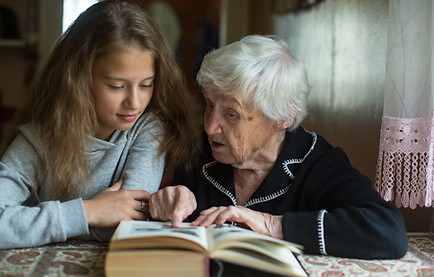
Non-exercise-based interventions such as being actively engaged in life are associated with healthy aging (Urtamo et al., 2019), (Dogra et al., 2022), (Kim and Park, 2017), which includes psychological and social aspects of health. A holistic approach to healthy aging encourages factors that influence life satisfaction and quality of life; meaningful outcomes to older adults compared to other changes (Koh et al., 2025). Lifelong learning has a positive correlation with successful aging (Morris-Foster 2024). Social volunteering offers multiple benefits to older adults, (Yang and Gu, 2025) such as promoting a sense of purpose and community. Preventing loneliness, which is distinct from social isolation, involves understanding the complexities of social connections in older adults, and promotes healthy aging (Axén et al., 2025).